Space science
Discover 10 more microscopic satellites orbiting Jupiter
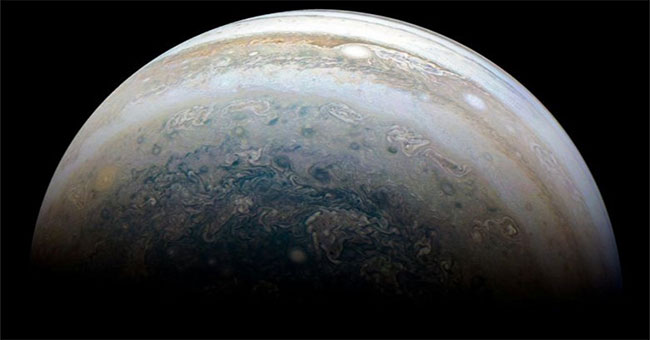
On July 17, the team of astronomer Scott Sheppard of the Carnegie Institute of Science in Washington, USA, announced that 10 new objects have been identified around Jupi…
Browse ScienceInfo articles and explainers related to Micro Satellite.
12 published items.
On July 17, the team of astronomer Scott Sheppard of the Carnegie Institute of Science in Washington, USA, announced that 10 new objects have been identified around Jupi…

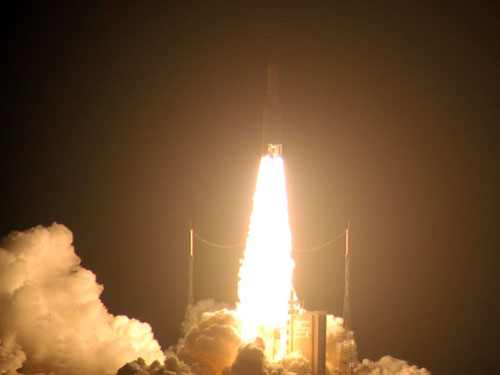
According to NASA's announcement, Stargazer L-1011 aircraft carrying the satellites took off from Cape Canaveral Air Force Base, state of Florida, USA.
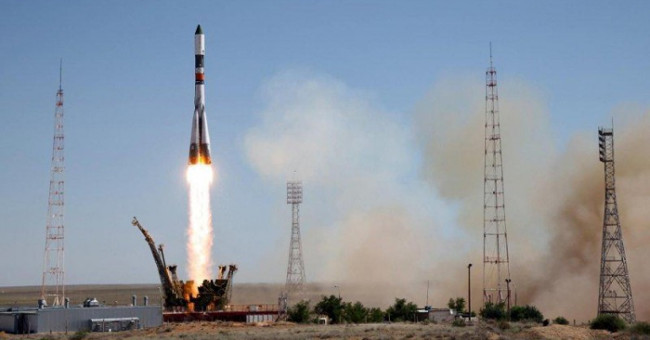
According to the Russian Space Agency Roscosmos, the transport ship Progress MS-02 was launched from the Baikonur Cosmodrome (hired by Russia) with Soyuz-2.1a rocket, wh…

Scientists believe that using micro satellites is more efficient and economical in finding planets that have life outside of Earth.
After more than 3 months of stable operation in orbit, PicoDragon has gradually decreased in height and burnt when falling into the atmosphere of the earth.
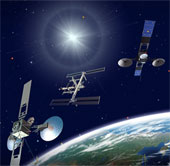
The United States is focusing on creating micro satellites that act as cosmic police, like traffic police on the universe.
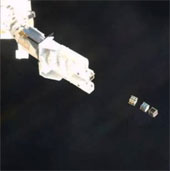
The micro-satellite PicoDragon developed by young Vietnamese scientists gave the first signal to the ground at 23 pm on November 19.
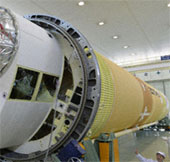
The Japan Space Exploration Agency (JAXA) on July 23 said the country's No. 4 transporter Konotori, scheduled to be launched on August 4, will bring a micro-satellite of…
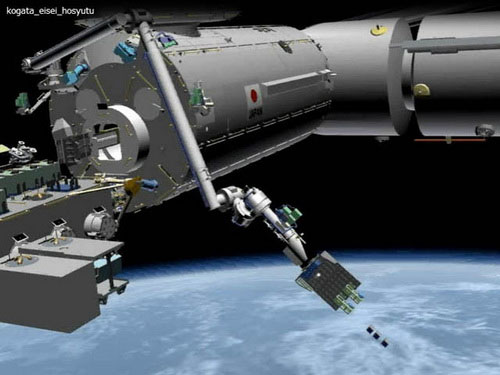
Five ultra-small CubeSat satellites, including F1 of Vietnam, were successfully launched into orbit on the night of October 4 (Vietnam time).
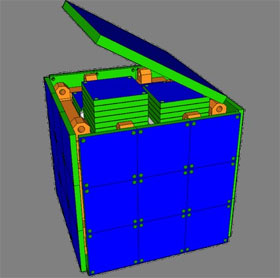
Just spending a few hundred to 1,000 USD is able to own an artificial satellite. It is not a tough joke but a cherished project by Zac Manchester scientist, of course wi…
The technical model of the first ultra-small satellite built in Vietnam called Pico-Dragon (translating Small Dragon) was completed in May 2009 and is expected to be ope…
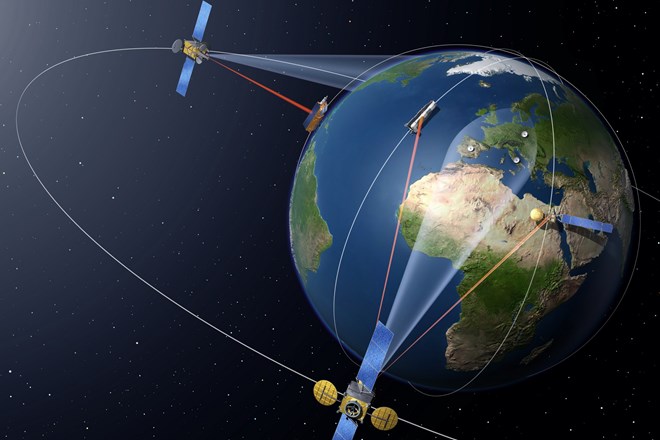
Samsung recently proposed launching thousands of small satellites into space to provide super-fast Internet to 5 billion people worldwide.